Hire an always-on employee built from software and made physical.
The Digital Employee Device gives teams a visible, persistent AI operator that can stay online, connect to systems, execute repeatable work, and keep an auditable trail of every action.
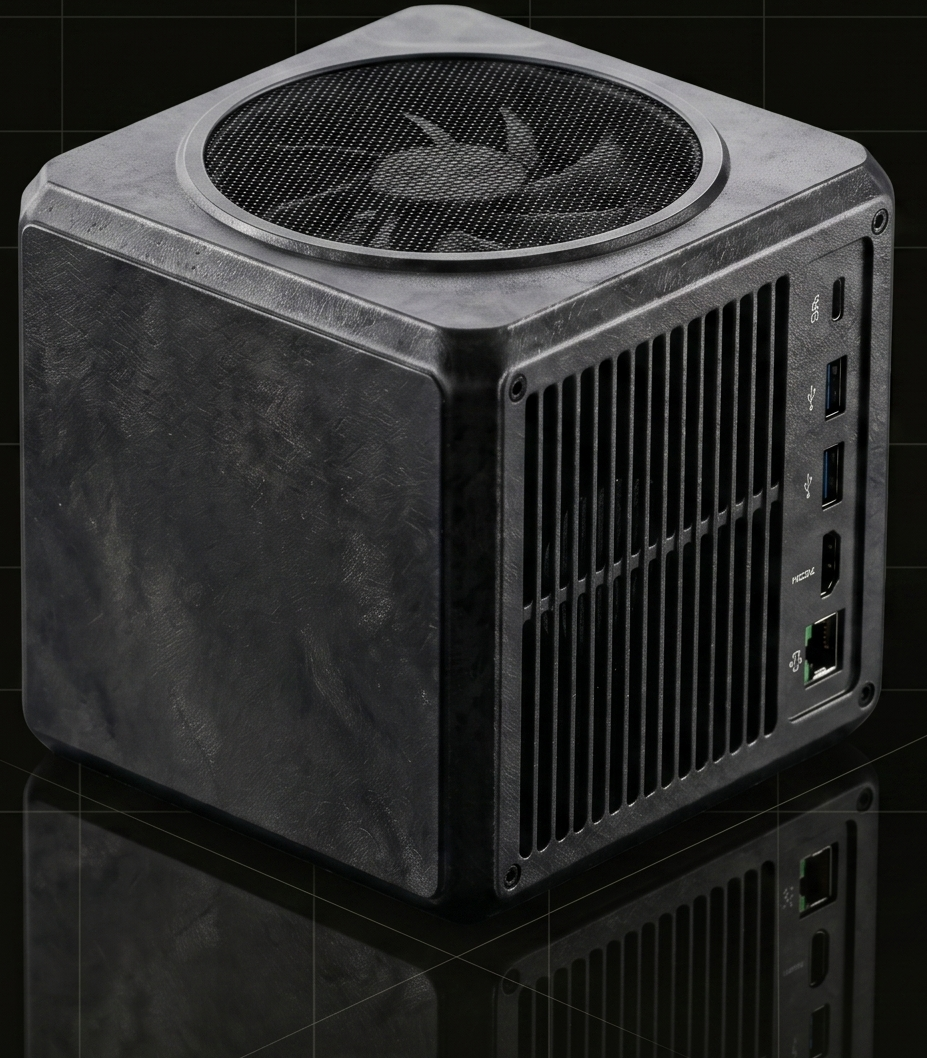
Most companies have access to AI. Very few have an AI worker that actually stays on the job.
In practice, enterprise AI still breaks at the point of continuity. Tools live inside chat windows, pilot dashboards, or workflow builders. But the daily work that quietly keeps a company moving—logging, following up, synchronizing, routing, reminding, escalating—still slips between people, tabs, and systems.
AI feels temporary
Many AI tools feel like helpers you summon, not workers you can assign. That makes them interesting, but not operationally dependable.
Critical small work still leaks
The repetitive actions that keep pipelines healthy are usually the first to be dropped: data entry, nudges, reminders, updates, handoffs, and exception checks.
Black-box automation is hard to trust
Businesses hesitate to hand over real work when they cannot see what happened, why it happened, or where responsibility sits after the automation runs.
Built for owners and operators who need leverage without adding headcount first.
The primary buyer is a small-to-mid-sized business owner, business lead, or digital operations lead trying to make a lean team perform like a larger one. The day-to-day beneficiary is the assistant-level role carrying repetitive but essential operational load.
Primary buyer
SMB owners and business leaders who need a more reliable way to cover sales coordination, operations support, customer follow-up, and front-desk style work.
Secondary user
Sales assistants, operations assistants, customer support triage staff, reception roles, or executive assistants switching across too many tools all day.
Trigger moment
“We are not missing strategy. We are missing someone—or something—that keeps watching, updating, and pushing the process forward.”
“Instead of selling another AI tool, this category sells a worker presence: online, assigned, connected, measurable, and easier to trust.”
Main promise
Give a business a real digital employee that can hold a role, stay on duty, connect to systems, execute repeatable tasks, and leave a visible operating trail behind every shift.
Not another builder. Not another chatbot. Not another fragile automation chain.
The differentiation is not just technical. It is narrative and operational. The product turns AI from a feature into a staffed role with a visible seat in the business.
Chat AI
Great for answers. Weak at persistent ownership, continuity, and process responsibility.
Workflow builders
Powerful, but they require customers to design and maintain the automation logic themselves.
Human-only operations
Flexible, but expensive to scale and prone to dropped tasks in the long tail of operational work.
Digital Employee Device
A visible AI work unit that combines presence, system connectivity, execution, and traceability in one enterprise object.
Start with one role. Make the work legible. Expand from there.
The strongest entry point is not a grand “AI office” promise. It is a narrow, high-frequency role with measurable operational value—sales assistant, operations assistant, customer triage, executive support, or front desk coordination.
Assign a role
Choose a clearly bounded job with repetitive, high-frequency actions and visible business outcomes.
Connect the systems
Link the device to the tools where the role actually works: CRM, inbox, calendar, ticketing, spreadsheets, internal workflows.
Run with auditability
Track what was triggered, executed, escalated, or completed so the company can review performance instead of trusting a black box.
Focused enough to be credible. Broad enough to define a category.
This product should be presented as a role-based enterprise system, not a universal AGI claim. Credibility comes from a clear starting use case and disciplined framing.
In scope
- One concrete job to start with
- Persistent online presence with task intake
- System connection, processing, and traceability
- Enterprise ROI and operating value story
Out of scope
- AGI-for-everything positioning
- Deep model orchestration detail
- Hardware bill-of-materials storytelling
- Overpromising full human replacement
Why now
Enterprise buyers are moving past “AI that can chat” and toward systems that can be deployed, governed, and tied back to measurable operating outcomes.